
Skip to content

Resources · Guide

What Is Enterprise Asset Lifecycle Management?

Enterprise Asset Lifecycle Management (EALM) covers every stage of an asset's life — procurement through disposal. Here's what it means and how it works.

Definition

What EALM means — in one answer

Enterprise facilities and asset operations environment

Enterprise Asset Lifecycle Management (EALM) is how organisations keep every physical asset on one trusted record — from the moment it is purchased until it is retired — so operations, finance, IT, and audit work from the same truth.

It is not a maintenance module with a new label. EALM connects procurement, custody, service, depreciation, verification, and disposal so handoffs stop breaking the trail.
The lifecycle

Seven stages on one asset record

Each stage keeps history attached to the asset — so procurement, ops, finance, and audit stop rebuilding the story from scratch.

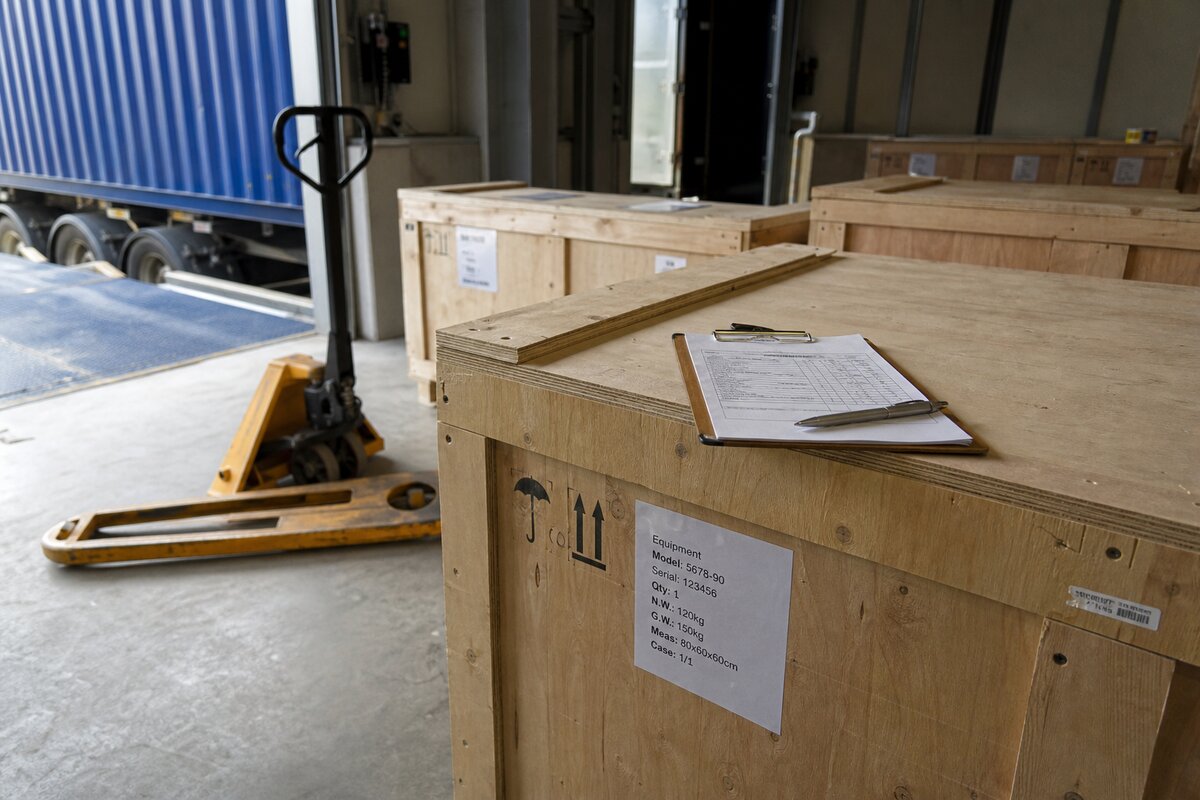
Warehouse receiving dock with new equipment crates ready for intake

Stage

Procure

Capture the asset at intake — vendor, cost, and identity — so the register starts before the equipment hits the floor.
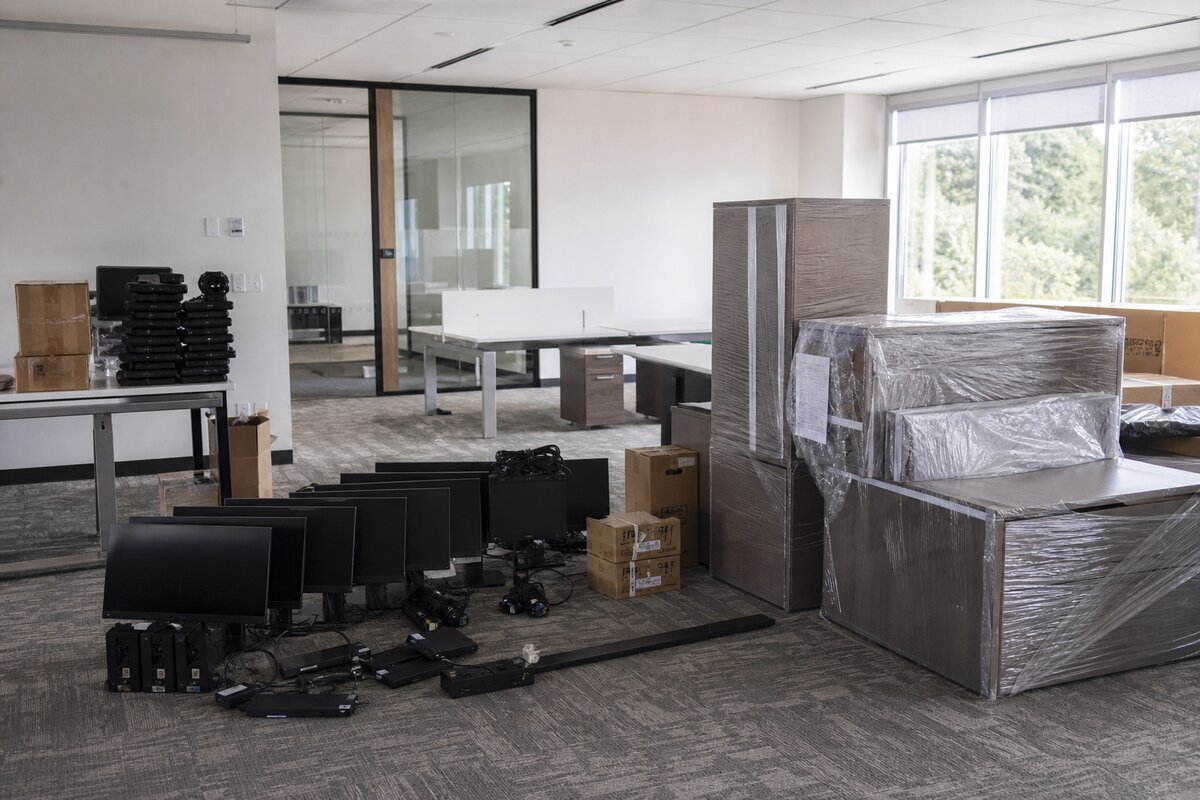
New workplace equipment staged for deployment on an office floor

Stage

Deploy

Place the asset where work happens and record location context so deployment is not a gap between purchase and use.

Assigned desks and labeled workplace equipment showing custody context

Stage

Custody

Know who holds each asset as people and sites change — assignment history stays on the record.
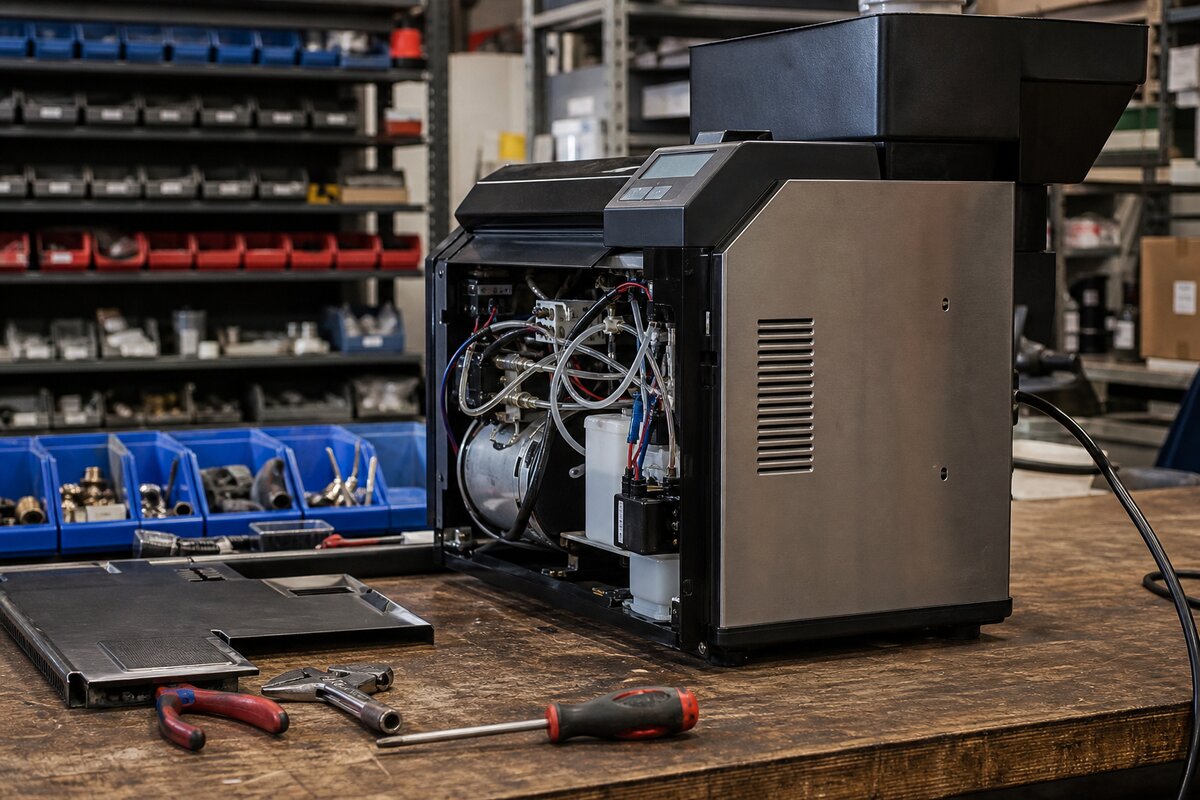
Maintenance workshop bench with tools and equipment open for service

Stage

Maintain

Preventive and corrective work attach to the asset itself so service history survives shift handoffs.
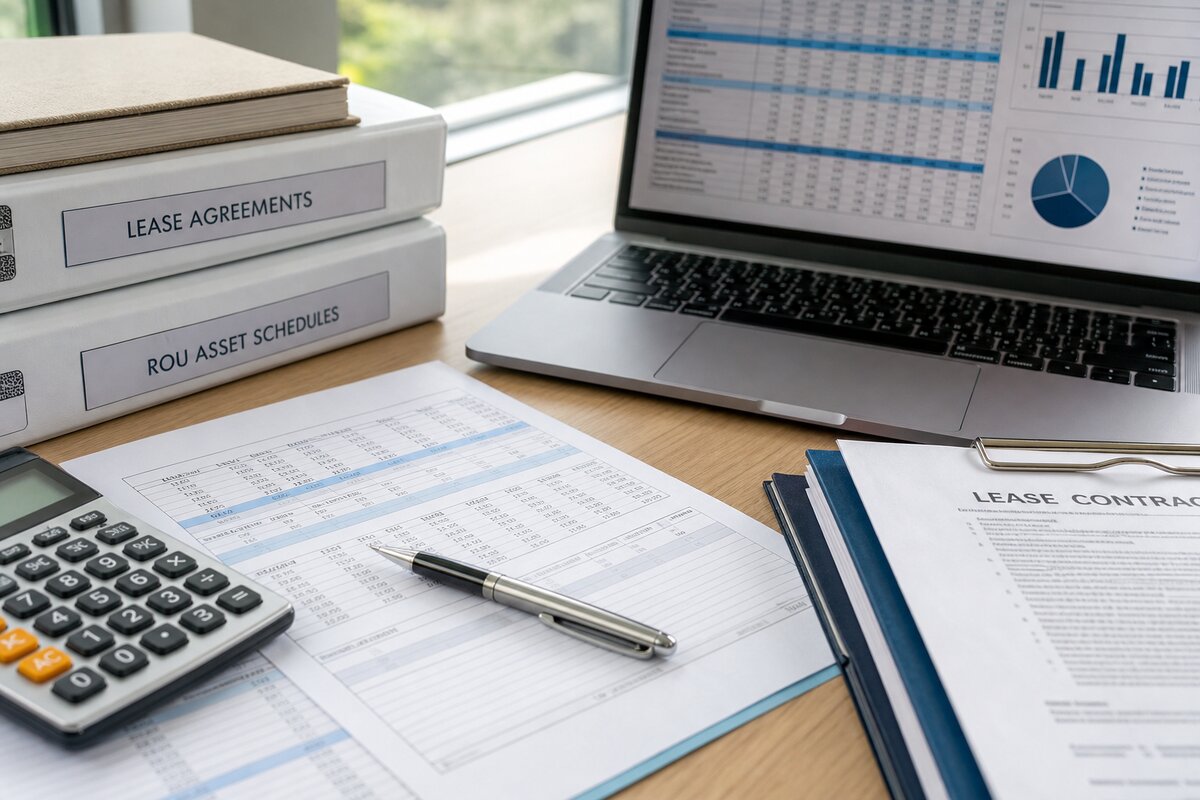
Finance desk with depreciation and lease documentation beside a laptop

Stage

Finance

Depreciation, lease context, and valuation sit beside the same asset operations already trusts.
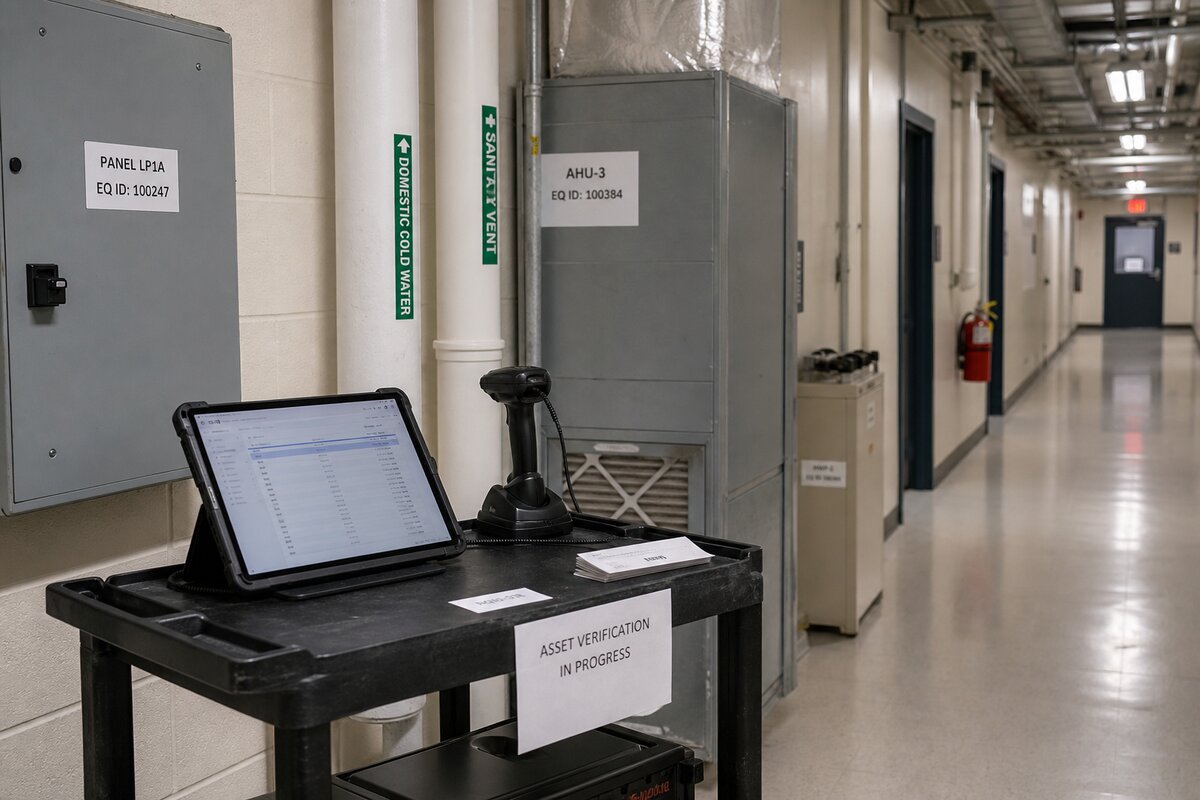
Facilities corridor set up for asset verification with scanner and tablet

Stage

Audit

Physical verification closes against the live register — presence and condition without a seasonal rebuild.
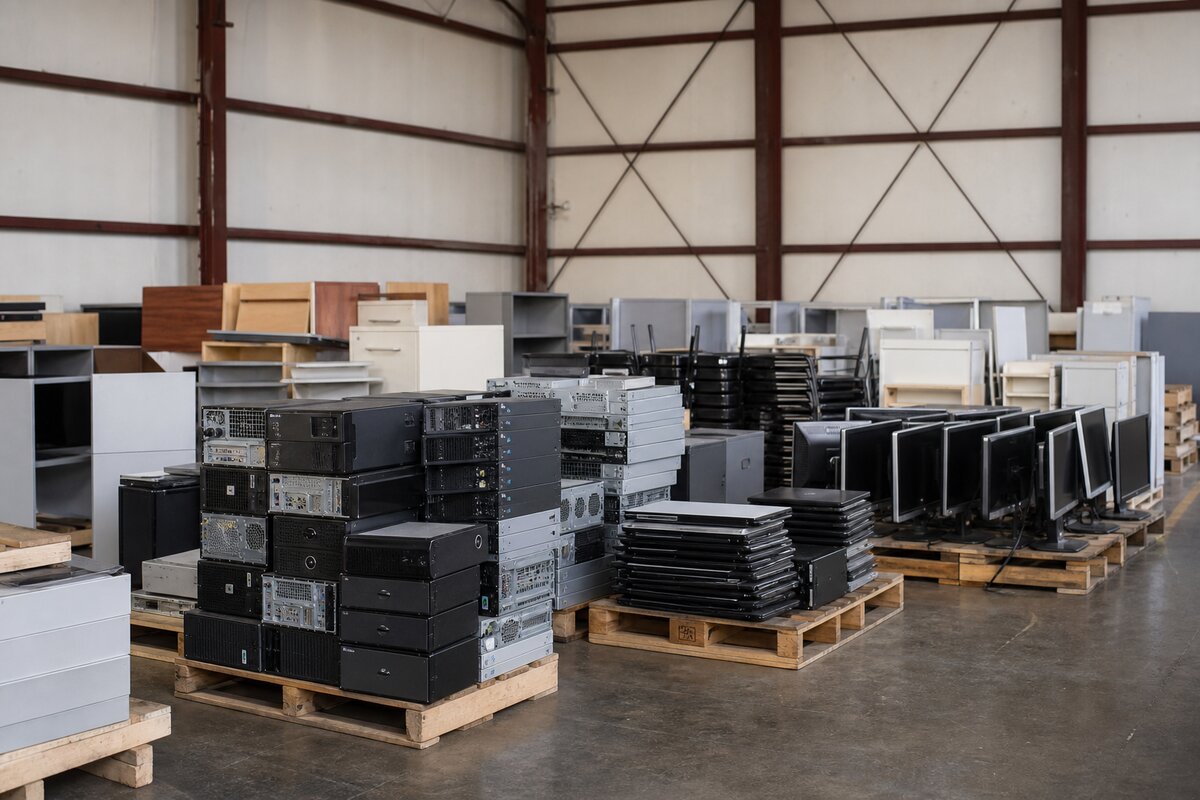
Retired equipment staged on pallets for disposal and recycling

Stage

Dispose

Retirement, transfer, or recycle with a complete trail — so closed assets do not haunt the books.
Category clarity

EALM vs traditional EAM and CMMS

Same physical assets — different breadth of control. EALM is the full-lifecycle framing AssetZA is built around.

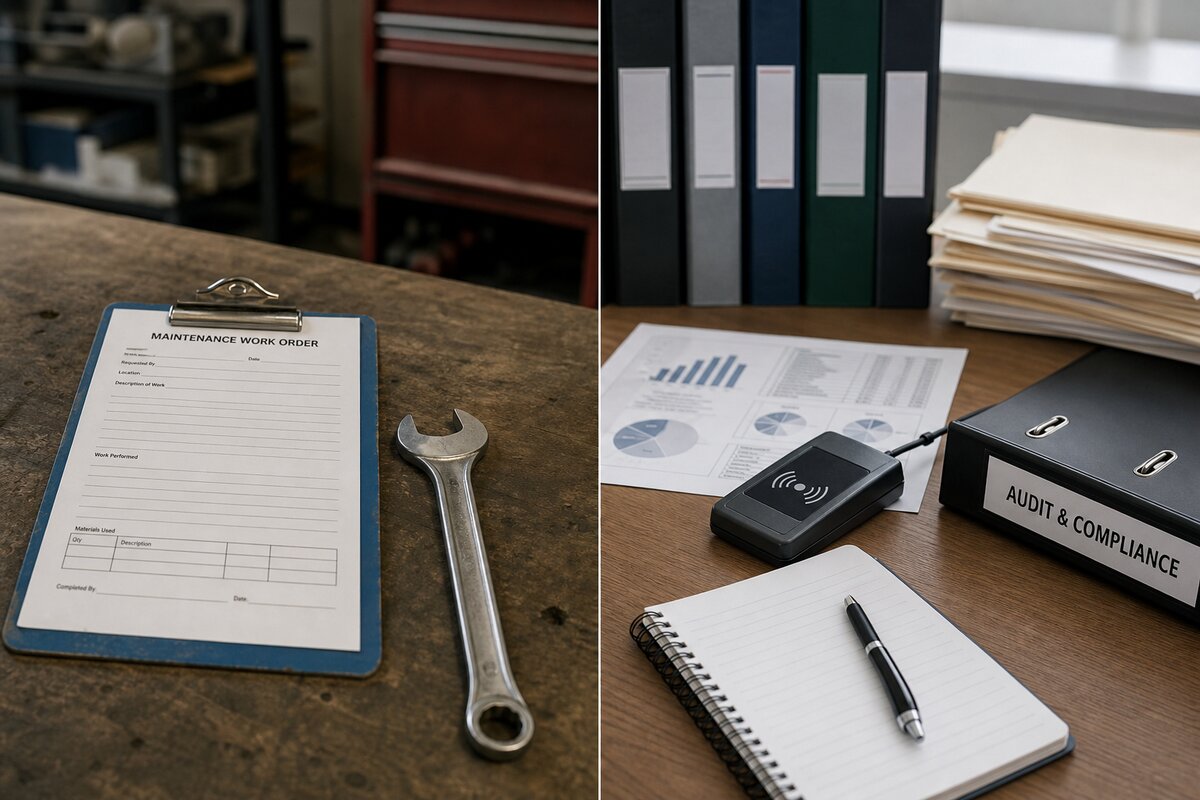
Maintenance-only tools contrasted with full lifecycle operations and finance context

CMMS

Schedules and closes maintenance work — essential, but usually silent on finance, audit depth, and full lifecycle custody.

Traditional EAM

Often broader than a CMMS, yet many deployments still leave hardware reads, IFRS-ready context, or audit reconciliation in adjacent tools.

EALM

One register across procure-to-dispose — maintenance plus custody, finance, hardware readiness, and verification on the same trail.
See the full EALM vs CMMS comparison →

Audience

Who uses EALM

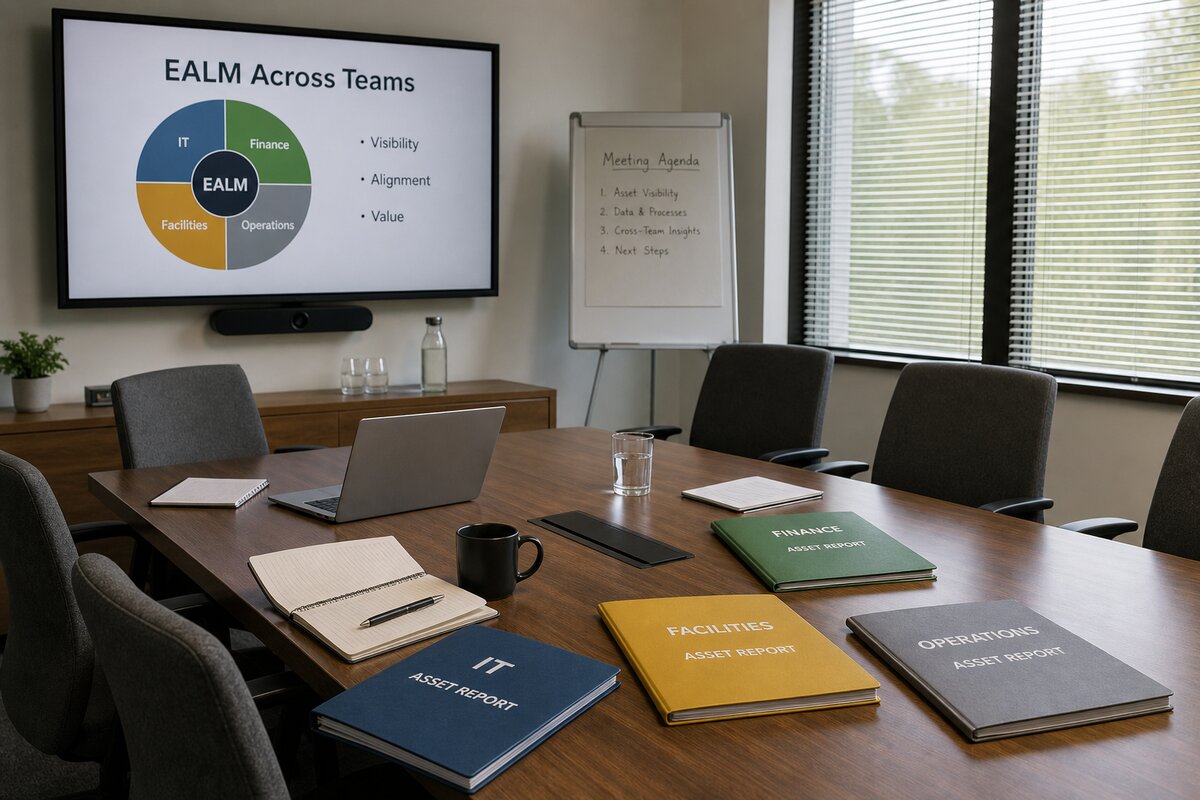
Buying committees are rarely one desk — EALM only works when ops, finance, IT, and audit can share the same asset story.

Conference room prepared for a cross-functional asset management meeting

Operations & Facilities

Uptime, custody, and work orders across sites.

Finance & Procurement

Cost, depreciation, lease context, and renewals.

IT & Security

Devices, assignment, and verification at scale.

Leadership & Audit

One portfolio view and evidence that survives review.

Evaluation

How to evaluate an EALM platform

Use these checks when comparing tools that claim “asset management” — breadth of the lifecycle is the tell.

One register end to end

Ask whether procure, custody, maintain, finance, audit, and dispose share a single asset record — or only a maintenance subset.

Finance-grade context

Look for depreciation and lease awareness on the asset, not a side spreadsheet finance rebuilds quarterly.

Hardware-ready without lock-in

Prefer vendor-agnostic hardware integration so RFID and readers update the same register operations trusts.

Audit that reads the live trail

Verification should close against presence and condition already on the asset — not a seasonal export scramble.

Configurable by role and industry

Role views and vertical templates should sit on one platform — not a forked product per team or sector.

Frequently asked questions

What is Enterprise Asset Lifecycle Management (EALM)?

EALM is the practice of managing an asset from procurement through disposal on one connected register — covering custody, maintenance, finance, audit, and retirement — not maintenance alone.

What are the stages of an asset lifecycle?

AssetZA frames seven stages: Procure, Deploy, Custody, Maintain, Finance, Audit, and Dispose. Each stage keeps history on the same asset record so teams stop reconciling parallel tools.

How is EALM different from traditional EAM or CMMS?

CMMS focuses on maintenance work. Traditional EAM often stops short of finance-grade and hardware-aware control. EALM spans the full lifecycle — including depreciation, audit reconciliation, and vendor-agnostic hardware readiness. See EALM vs CMMS for a side-by-side.

See EALM on AssetZA

Book a short demo.

Scroll to Top