
Library · Guide
Seven stages of the asset lifecycle
Procure, deploy, custody, maintain, finance, audit, and dispose — how each stage stays on one record.
GuideLifecycleAll guides
Key takeaways
What to remember
- Seven stages describe the journey — the register is what keeps them coherent.
- Handoffs fail when each stage owns a different spreadsheet or system of record.
- Stage language helps teams align without forcing everyone into the same workflow screen.
Procure, deploy, custody, maintain, finance, audit, and dispose — how each stage stays on one record.
Why seven stages on one identity
Lifecycle language gives every team a shared map. Procurement cares about intake. Facilities cares about custody and work. Finance cares about cost and depreciation. Audit cares about evidence. Naming the stages makes gaps visible before they become year-end scrambles.
Each stage should update the same asset record: who requested it, where it was deployed, who holds it, what work ran, how it is valued, when it was verified, and how it left the estate. That is the difference between a diagram and an operating system.
1. Procure
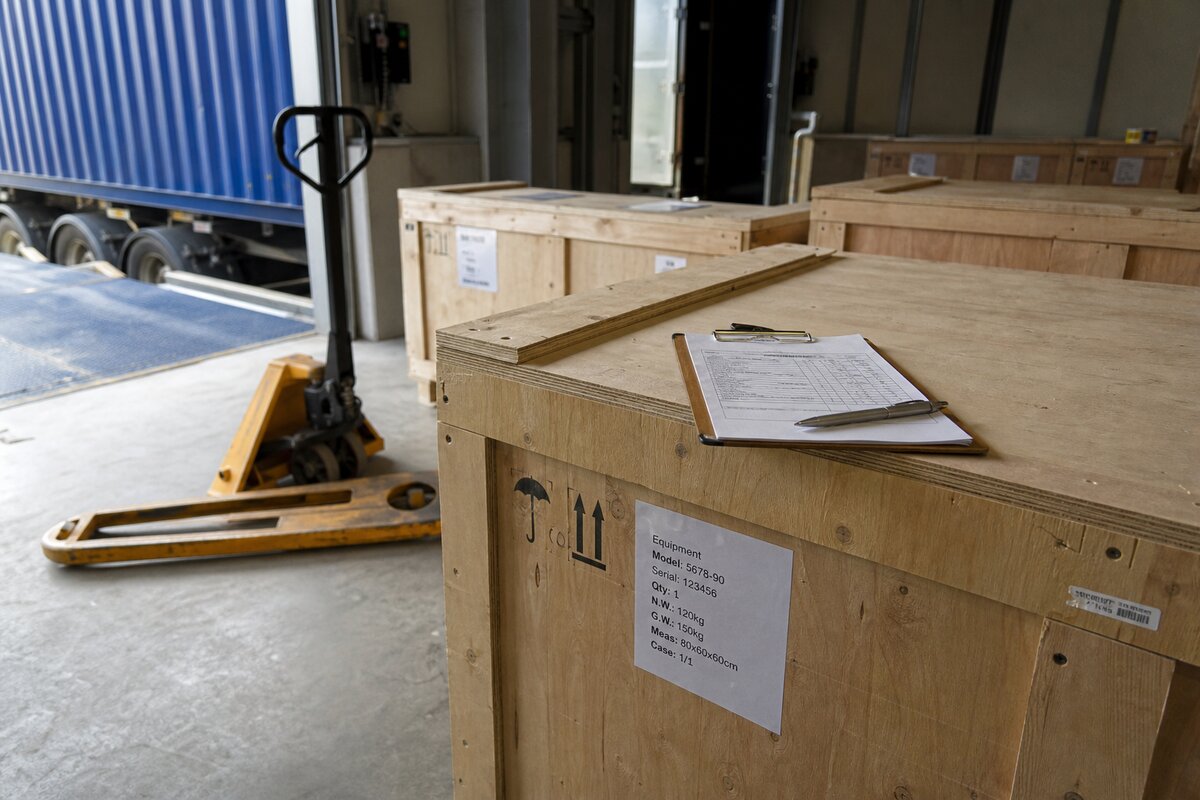
Capture the asset at intake — vendor, cost, and identity — so the register starts before equipment hits the floor. Late registration is how ghost assets and duplicate identities begin.
- Must land on the register: vendor, PO or intake reference, cost basis, and a durable asset identity
- Common handoff failure: receiving “closes” in one system while the register never learns the asset existed
- Ask: can finance and operations both find this asset by the same ID from day one?
2. Deploy
Place the asset where work happens and record location context so deployment is not a gap between purchase and use. Deployment without location is only half a record.
- Must land on the register: site, space or zone context, and in-service date
- Common handoff failure: assets sit in staging while the register still shows “on order” or blank location
- Ask: would a floor walk find this asset where the register says it is?
3. Custody
Know who holds each asset as people and sites change — assignment history stays on the record. Custody is the bridge between what teams see on site and what finance and audit will ask for later.
- Must land on the register: current holder, assignment history, and transfer reason when ownership moves
- Common handoff failure: offboarding leaves hardware in limbo with no last-known custodian
- Ask: can you answer who had this asset last week without opening an inbox thread?
4. Maintain
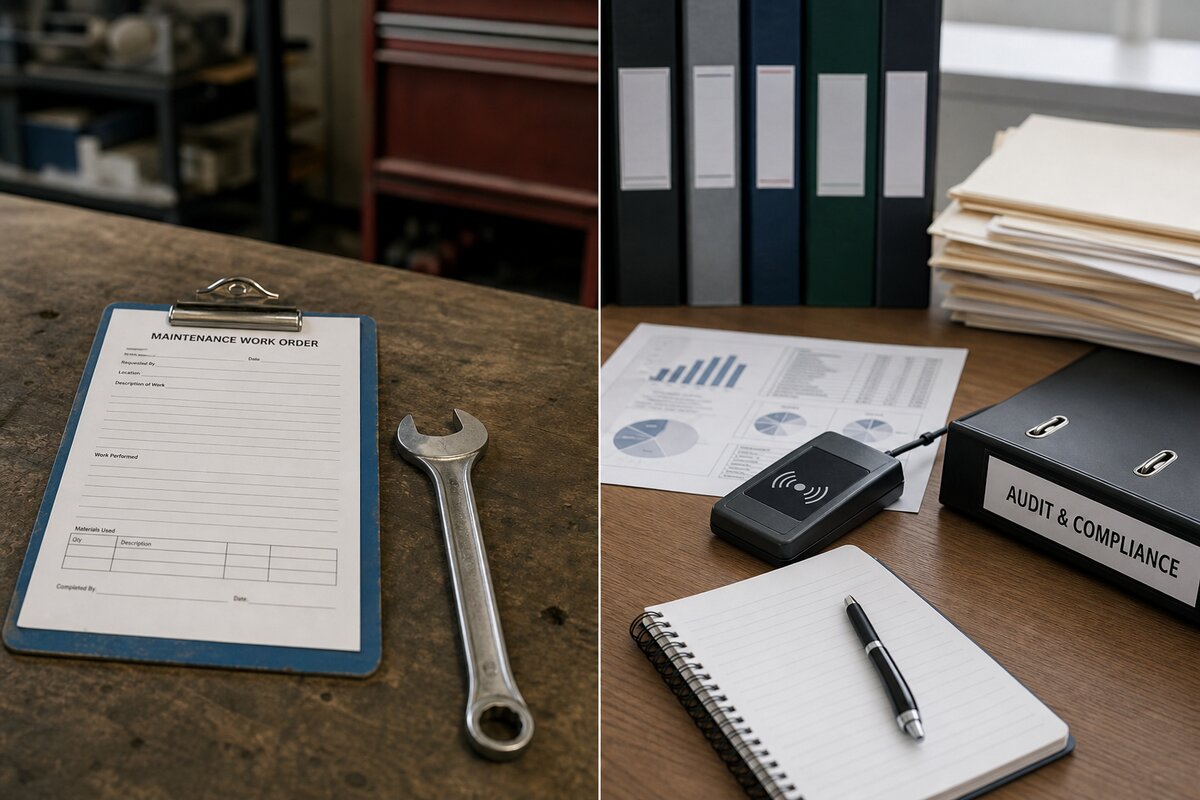
Preventive and corrective work attach to the asset itself so service history survives shift handoffs. Maintenance excellence still matters — it simply must not live on a parallel identity.
- Must land on the register: work history, condition notes, and parts or vendor context tied to the same ID
- Common handoff failure: closed tickets that cannot be traced to the asset finance and audit recognise
- Ask: does the next shift inherit history, or only tribal knowledge?
5. Finance
Depreciation, lease context, and valuation sit beside the same asset operations already trusts. On this site we call the stage Finance; some product tracks say Depreciate for the same idea — book value and lease facts on the shared identity.
- Must land on the register: cost basis, depreciation or lease flags, and valuation attributes tied to the asset ID
- Common handoff failure: finance books an item operations never registered — or vice versa
- Ask: can a depreciation line and a work order describe the same physical thing?
6. Audit
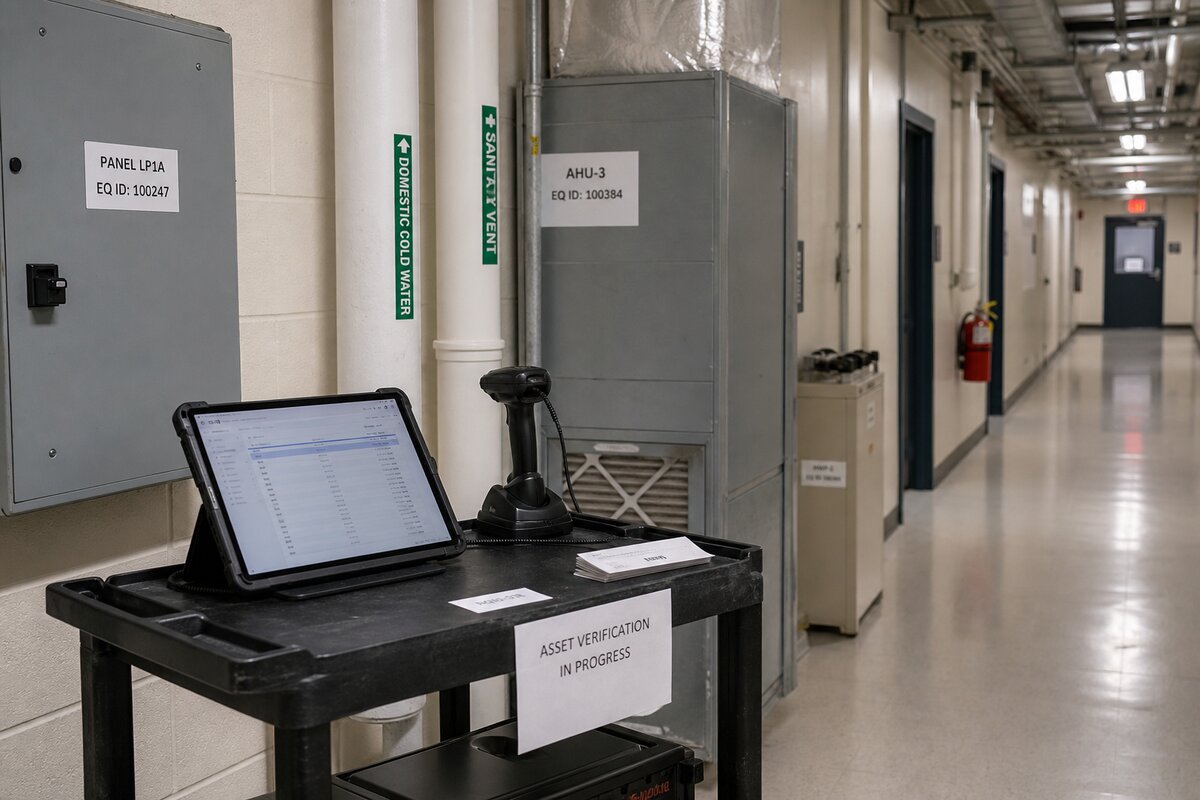
Physical verification closes against the live register — presence and condition without a seasonal rebuild. Audit readiness is accumulated through operations, not invented in a year-end project.
- Must land on the register: last verified date, exception status, and evidence of presence or absence
- Common handoff failure: floor counts and ledger exports prepared in parallel with no shared custody trail
- Ask: are exceptions process gaps — or one-off moves that were never recorded?
7. Dispose
Retirement, transfer, or recycle with a complete trail — so closed assets do not haunt the books. Disposal is a lifecycle event, not an informal disappearance.
- Must land on the register: disposal method, date, approving party, and final status on the same identity
- Common handoff failure: equipment leaves the site while the ledger still carries an active line
- Ask: can you prove how this asset left the estate without reconstructing email?
Illustrated deep-dive on the pillar
This Library page is the evergreen stage map. For illustrated stage cards and evaluation prompts, continue to the Enterprise Asset Lifecycle Management guide’s stages section. For the companion outline of EALM as an operating model, open Enterprise Asset Lifecycle Management in this Library.
Related on AssetZA
More guides
Keep exploring the Library

Frequently asked questions
What are the seven stages of the asset lifecycle?
Procure, deploy, custody, maintain, finance, audit, and dispose. Each should update one shared asset identity so operations, finance, and audit are not describing three different assets.
Why do some pages say Finance and others Depreciate?
They name the same stage idea: financial attributes on the shared record. This Library guide uses Finance to match the EALM pillar; some platform tracks use Depreciate for the valuation-focused wording.
How do stages stay coherent in practice?
Every handoff writes to the same asset ID — intake, location, custodian, work, valuation, verification, and disposal. When each stage owns a separate spreadsheet, the diagram stops matching reality.